Mon to Sat: 9:00am to 6:00pm
-
-
-
Office No. 302, 3rd Floor, The Business Center, Erandwane, Pune
Mon to Sat: 9:00am to 6:00pm
Office No. 302, 3rd Floor, The Business Center, Erandwane, Pune




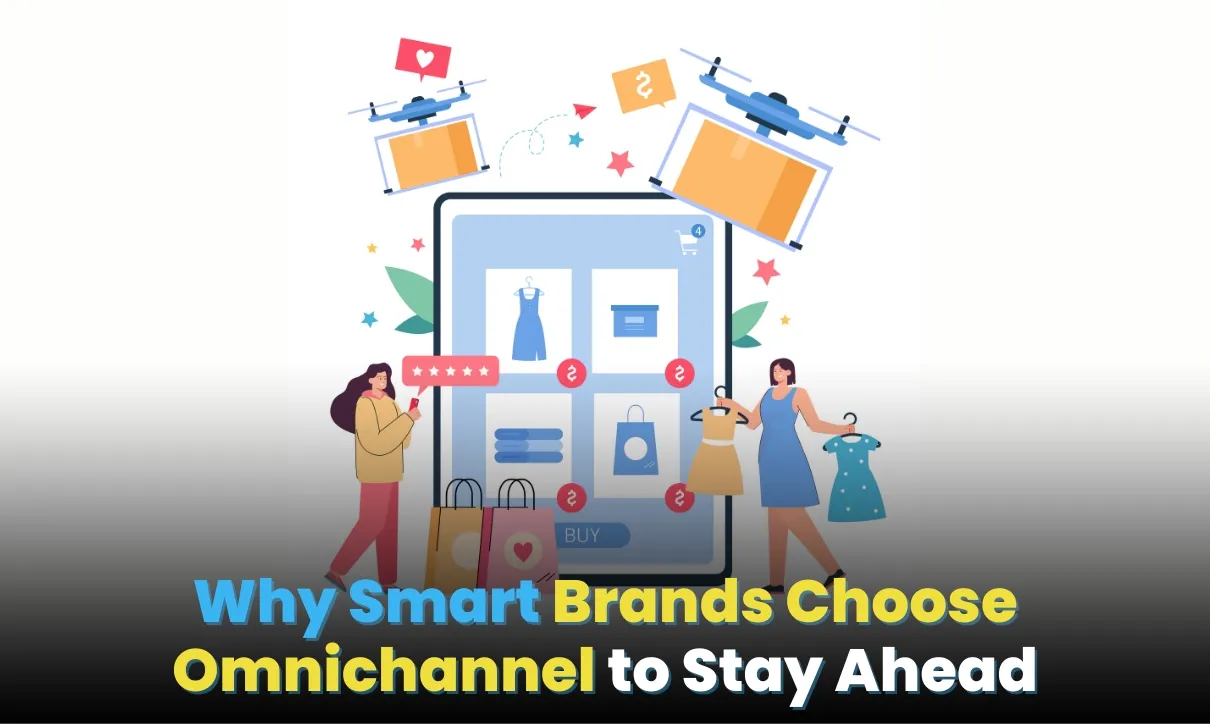
Customers today don’t live on just one platform. They move from Instagram to Google, from WhatsApp to YouTube, and even offline stores in between. For businesses, the challenge is simple: be everywhere your customer is, with the same voice and care. That’s the heart of omnichannel marketing. And if you’re guided by a trusted digital marketing agency in pune, you’ll see how this approach doesn’t just grow sales, it builds unforgettable customer journeys.
Omnichannel means providing a seamless brand experience across all customer touchpoints, online and offline. Unlike multichannel (where each platform works separately), omnichannel is unified.
Example:
Envision a user who clicks your Facebook ad, navigates to your site, chats with a WhatsApp bot, and ends up buying in your brick-and-mortar store. In omnichannel, all those actions feel seamless—not like having to begin anew every time.
Individuals anticipate the same experience on apps, websites, and stores.
With all brands competing for eyeballs, seamlessness becomes the discriminator.
AI, CRMs, and automation simplify integration.
Note:A boutique owner in Pune stated, "Customers messaged us on Instagram and then came to our store and asked for the same product. Since our CRM synchronized it, we already knew what they needed."
Consistent Experience
Same tone, same design, same care, on every channel.
Better Data Insights
When all the channels communicate with one another, you have a complete picture of your customer journey.
Increased Customer Retention
Customers remain loyal when they get understood at each step.
More Sales
Research indicates omnichannel shoppers spend 30–40% more than single-channel shoppers.
Same brand voice across ads, social, email, and offline.
CRMs, chatbots, and automation tools.
Building journeys, not campaigns.
Marketing, sales, and support integrated.
Multichannel is juggling many balls, each one distinct. Omnichannel is tying up those balls in a tight net. Customers don't notice channels, they notice your brand.
WhatsApp to Email to Store, customers don't see the difference anymore. Omnichannel made us future-ready.
"Earlier our online ads and store promotions used to be isolated. After integrating, sales doubled."
1. E-commerce
Align website carts with WhatsApp reminders and email discounts.
2. Education
Ads → Website → Demo class reminders → WhatsApp follow-up.
3. Real Estate
Facebook ads for leads → CRM → Automated follow-up → Site visit booking.
4. Hospitality
Google search ads → Booking engine → WhatsApp reminders → In-stay offers.
HubSpot / Zoho CRM for integration.
Freshchat / Intercom for live and AI chat.
Mailchimp / Klaviyo for automated emails.
Meta & Google Ads Manager for aligned organic data ads.
People don't want to be targeted, they want to feel remembered. An "Hi, welcome back" email after visiting your site is personal. A chatbot remembering what you liked last week is considerate. These little moments create long-term loyalty.
Running social and ads in silos.
Employing variable brand voices.
Forgetting offline touchpoints.
Missing to train employees for seamless experiences.
Personalized journeys for every buyer.
Alexa + Google Assistant paired with stores.
Merging geo-data with online ads.
Virtual try-ons linked to e-commerce stores.
A Pune-based food chain integrated:
Zomato orders,
WhatsApp offers,
In-store loyalty cards.
Result: 60% increased repeat orders in 8 months.
Deeper customer loyalty
Increased lifetime value (LTV).
Consistency across generations of consumers.
Investor confidence in scalability.
High initial cost of tech integration.
Training teams to operate new systems.
Keeping brand voice on different platforms.
Tip: Begin small, integrate 2–3 key channels first.
Omnichannel is not merely about merging everywhere, it's about merging everywhere with one,""one,"and one"promise." Astute brands in 2025 are aware that customers don't divide channels, they simply desire care and consistency. And if you would like to establish this future-proof process, a reputable search engine optimization company in pune may align your brand visibility with an omnichannel customer journey.
FAQs

No. Even small businesses profit by syncing 2–3 channels initially.
24
Sep 22Lorem Ipsum is simply dummy text of the printing and typesetting industry.
24
Sep 22Lorem Ipsum is simply dummy text of the printing and typesetting industry.